Choosing the Right Industrial Flooring – Epoxy vs PU Flooring Explained
08-Feb-2026
Choosing the Right Industrial Flooring – Epoxy vs PU Flooring Explained
Introduction
Selecting the right industrial flooring is a critical decision that impacts safety, maintenance costs, hygiene standards, and long-term performance. Two of the most widely used industrial flooring solutions are epoxy flooring and PU flooring. While both offer high durability, their performance characteristics differ based on application areas.
Understanding these differences helps industries choose the right system for their specific operational needs.
Epoxy Flooring – Best For
Warehouses & Logistics Centers
Manufacturing Units
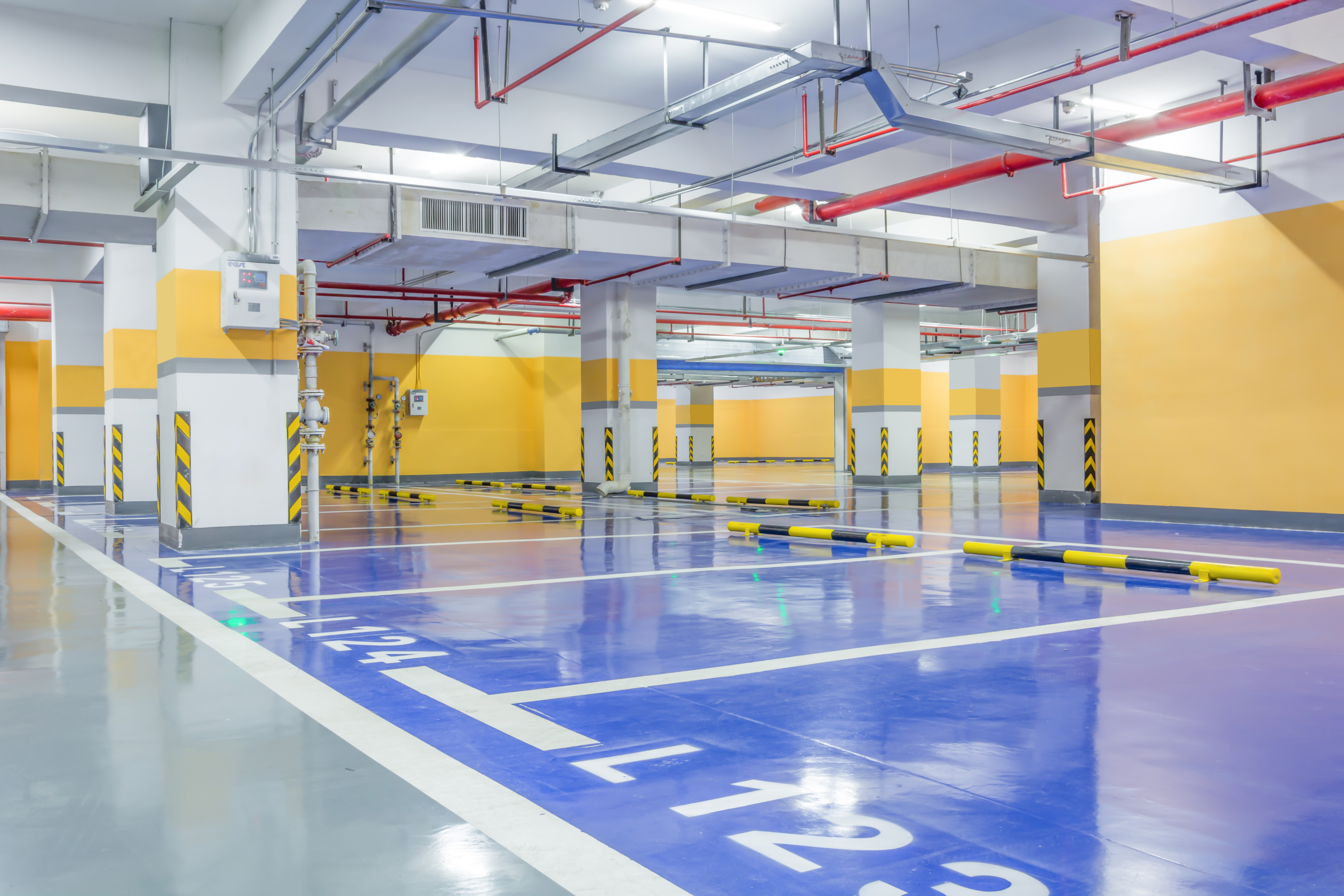
Parking Areas
Dry Processing Zones
Heavy Machinery Areas
Key Strengths:
High compressive strength
Excellent abrasion resistance
Cost-effective for large areas
Strong chemical resistance
PU Flooring – Best For
Pharmaceutical Manufacturing
Food & Beverage Processing
Wet Processing Zones
Clean Rooms
Temperature-variant environments
Key Strengths:
Superior hygiene performance
Thermal shock resistance
Flexible and impact-resistant
Enhanced slip resistance
Epoxy Flooring vs PU Flooring – Quick Comparison
Resinova’s NovaBond Industrial Flooring Systems
Whether your facility requires epoxy flooring or PU flooring, Resinova’s NovaBond system offers:
Primer for substrate bonding
Screed for leveling and load bearing
Top coat for chemical and abrasion resistance
Conclusion
The choice between epoxy and PU flooring depends on your operational environment. With Resinova’s NovaBond industrial flooring solutions, you can implement the right system tailored to your facility’s performance, hygiene, and safety requirements.